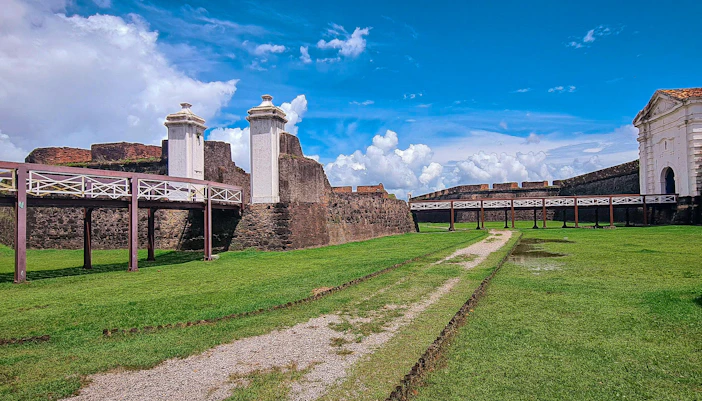
This historic gateway, located 750 m from Azores whale watching, is an iconic symbol of Ponta Delgada. It consists of three arches and is located near the waterfront.
How Headout makes choosing experiences effortless
We curate the best ways to experience
We research and organise all unique experiences - from tickets to tours to special combos - so you get all the choices without the clutter.
We partner with the best
Every supplier is vetted for quality, reliability, and value so you only get top rated experiences. No surprises, no disappointments.
All the best options, in one place
Each experience is thoughtfully organised to give you maximum availability, great value and an easy way to choose.
Book with complete peace of mind
Free cancellations, Flexible payments, and 24/7 support - thoughtfully designed for flexibility, assurance, and total peace of mind.
Slide 1 of 41/4
Slide 1 of 4


Quick overview
- Ways to experience: Pick a half-day catamaran or Zodiac, a whale-watching plus islet combo, or a departure from Pico Island.
- Additional access: Some options add marine-biologist guiding or a coastal circuit around Ilhéu de Vila Franca do Campo.
- Unique experiences: Zodiacs sit close to the water for faster repositioning; catamarans add indoor seating, toilets, and more shelter.
- When to book: Book 3–5 days ahead in summer. Reserve early in your stay so weather cancellations still leave time to rebook.
- Good to know: Online booking secures a seat, not faster boarding. Expect check-in, safety briefing, gear fitting, and weather-based changes.
- Best upgrade: Choose the whale-watching plus islet option if you want one longer half-day instead of a standard 3-hour offshore trip.
Compare ticket options →
Which Azores whale watching tour is best for you?
| Ticket type | What’s included | Why choose this | From |
|---|---|---|---|
Half-Day Catamaran | Large catamaran, indoor/outdoor seating, onboard toilets | More comfort and shelter on rougher days; the better trade-off if you want a steadier ride over speed. | €65 |
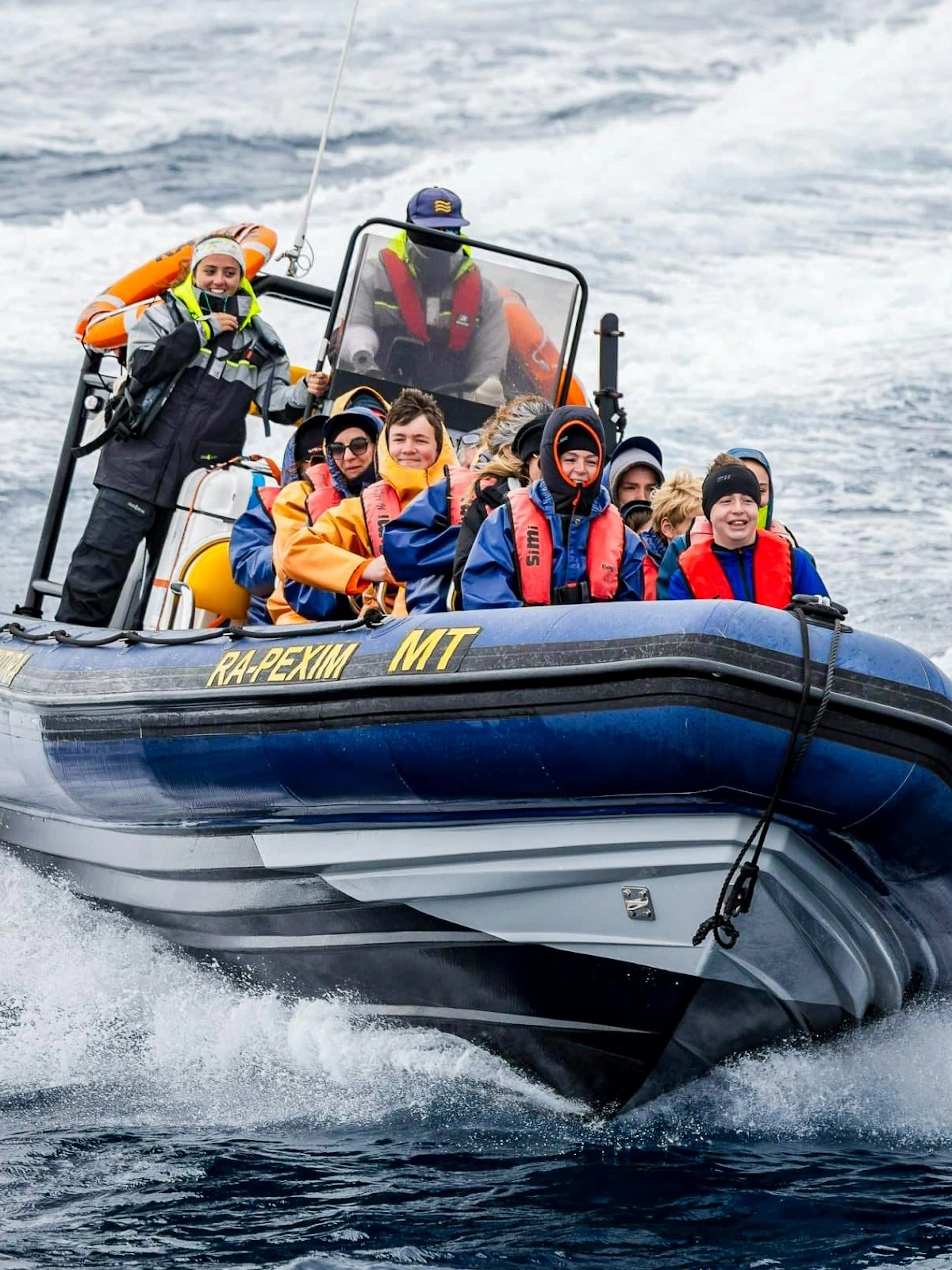
Half-Day Zodiac Boat | RIB/Zodiac boat, low-to-water views, faster repositioning | Choose this for a closer-to-the-water ride and quicker movement between sightings, if you’re comfortable with bumps and spray. | €78 |
Whale Watching & Islet Boat Tour | Whale-watching leg, islet boat tour, marine biologist | Adds coastal scenery and longer time on the water if you want more than a standard whale-watching trip. | €150 |
Pico Island Whale Watching Boat Tour | Pico Island departure, whale and dolphin watching, guided boat tour | Best if you’re already staying on Pico and want to avoid inter-island travel just for a whale-watching departure. | €66 |
Azores whale watching departure points & routes

1/6
Ponta Delgada, São Miguel
Main departure hub for open-ocean whale watching
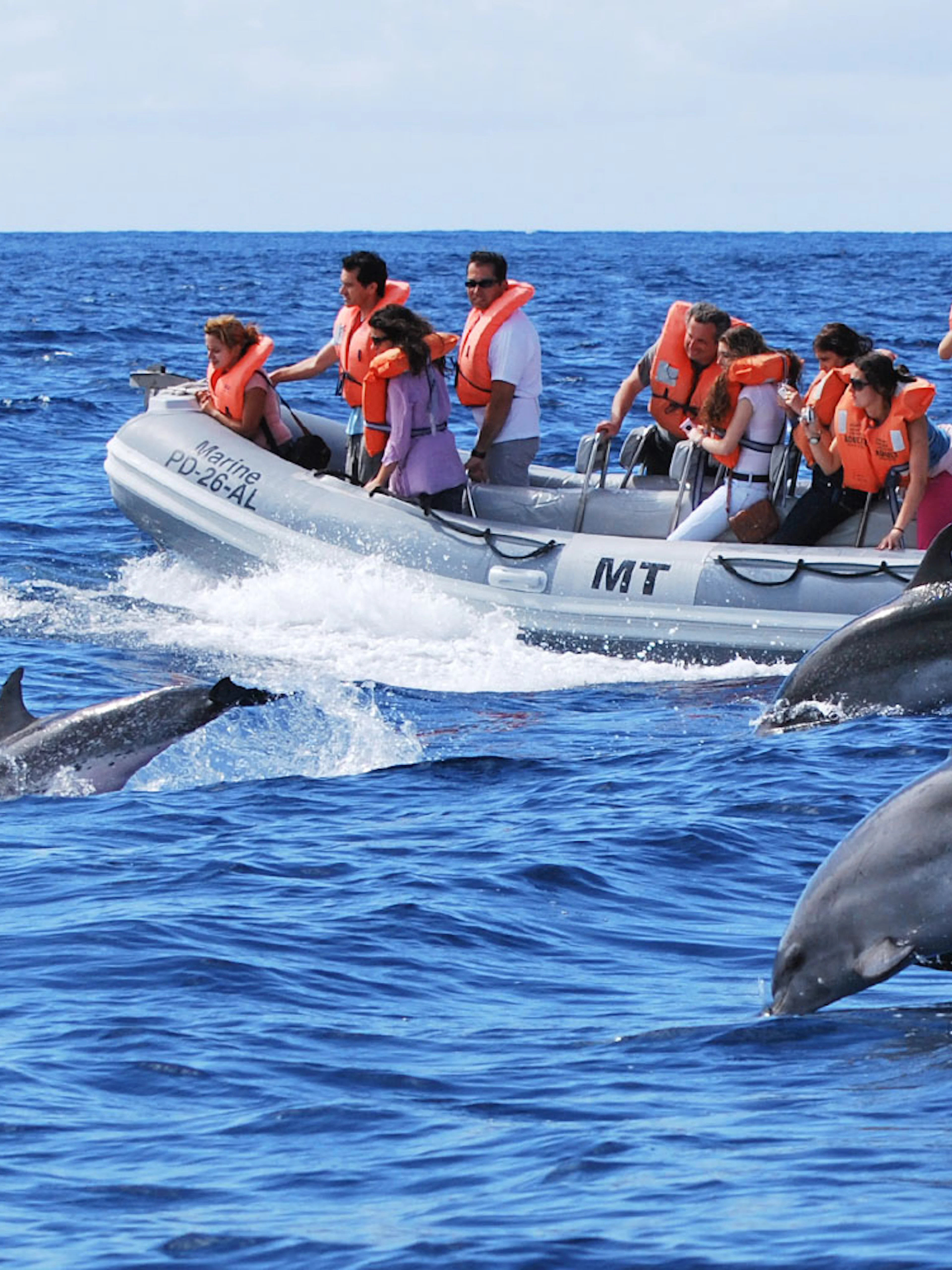
Ponta Delgada is one of São Miguel’s main starting points for whale watching. Tours leave from the waterfront and head into the open Atlantic in search of whales, dolphins, seabirds, and other marine life.
Vila Franca do Campo, São Miguel
South-coast departure point near the islet
Tours from Vila Franca do Campo combine easy access to São Miguel’s southern waters with views of the volcanic Ilhéu de Vila Franca do Campo. Some routes pair offshore wildlife watching with a coastal pass around the islet.
Ilhéu de Vila Franca do Campo
Volcanic islet and coastal route highlight
On selected São Miguel routes, boats pass the protected volcanic islet after the open-ocean wildlife search. Its crater-like shape, cliffs, and sheltered waters add a scenic coastal stretch to the experience.
Lajes do Pico, Pico Island
Historic whale-watching hub on Pico
Lajes do Pico is one of Pico Island’s best-known whale-watching bases. Tours leave from the harbor and head into deep Atlantic waters, while the town’s whaling heritage adds historical context to the experience.
Madalena, Pico Island
Pico departure point facing Faial
Madalena offers another convenient base for marine excursions from Pico. Its harbor faces Faial across the channel, making it especially practical for travelers combining whale watching with a multi-island itinerary.
Horta, Faial
Faial-based departure hub
Horta lets travelers join whale-watching tours directly from Faial without first crossing to Pico. Boats depart from the marina and head into the waters between the central Azorean islands in search of cetaceans.
Things to know before booking your Azores Whale Watching tickets
Book early in peak season
Popular morning departures and smaller Zodiac tours can fill up quickly, especially in summer. If whale watching is a priority, schedule it early in your stay so you have another day available if rough seas or poor weather affect your departure.
Check what your tour includes
Most whale-watching tours last around 2.5 to 3 hours and include a skipper or guide, safety briefing, life jacket, and live wildlife commentary. Some also provide waterproof clothing. Catamarans offer more space and shelter, while Zodiacs provide a faster, closer-to-the-water ride.
Allow time for check-in
Your experience starts at the operator's meeting point or harbor office, not when the boat leaves. Arrive early for voucher checks, safety instructions, and any equipment fitting before boarding. Check your voucher carefully, as departure points vary by island and tour.
Choose your island and boat type first
Your biggest decisions are where you're departing from and how you want to travel. São Miguel offers catamaran, Zodiac, and dolphin-swimming experiences, Pico specializes in smaller whale-watching departures, while Terceira combines whale watching with dramatic coastal scenery. Choose a catamaran for more comfort or a Zodiac for a more adventurous ride.
Wildlife and weather shape every trip
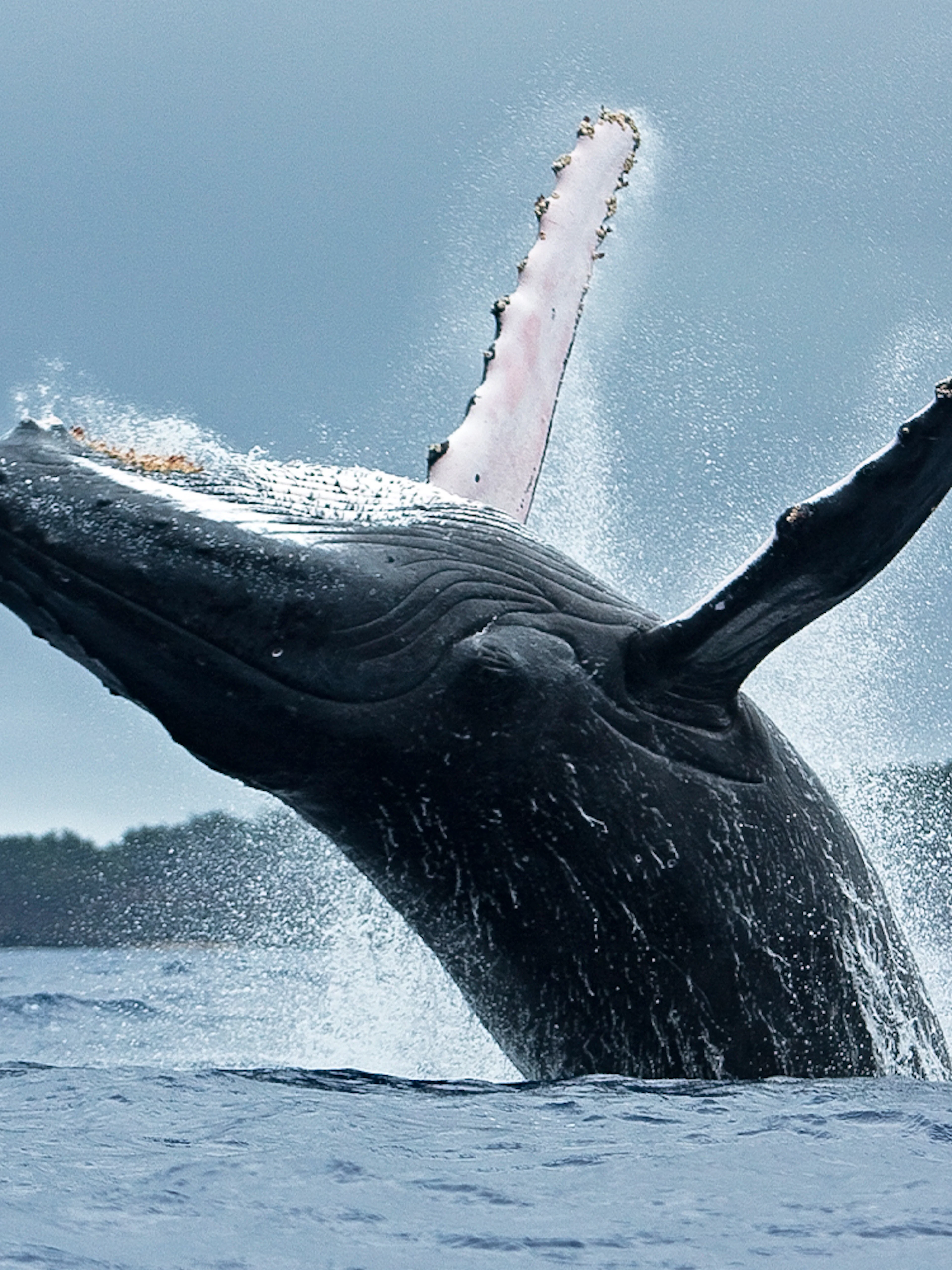
Whales and dolphins are wild, so routes and sightings change from one departure to the next. Tours may also be rescheduled or canceled when sea conditions are unsafe. Wildlife-approach rules apply throughout, and smaller RIB or Zodiac tours may have additional restrictions for pregnant guests or travelers with back, neck, or mobility concerns.
Highlights of your Azores whale watching experience

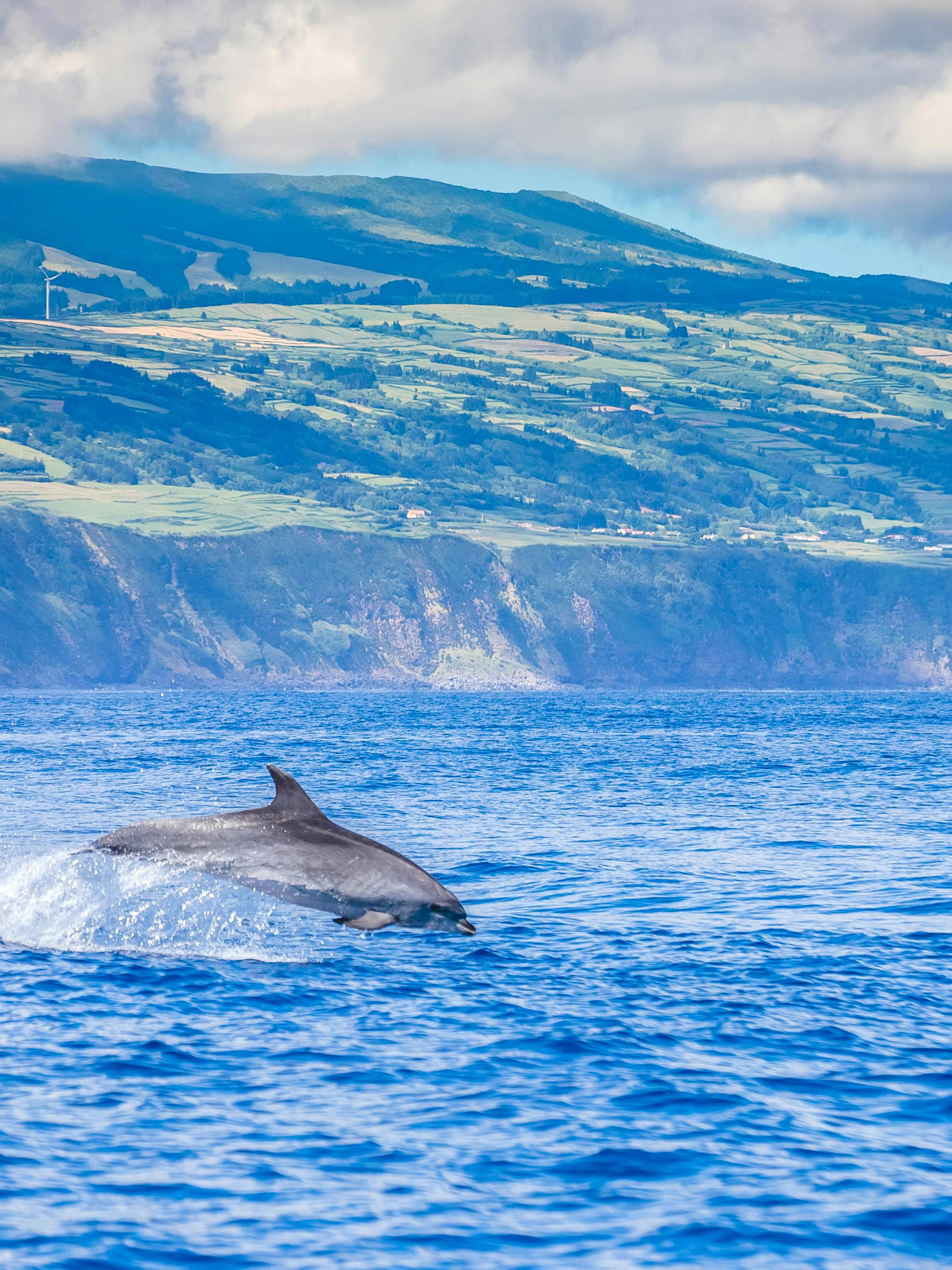
Volcanic islands rising from the Atlantic
From the boat, the Azores feel steep and elemental. Green slopes drop into dark lava cliffs, headlands jut into cobalt water, and old lookout posts sometimes sit high above the sea. Even before the first sighting, the contrast between land and open ocean sets the tone.
Plan your Azores whale watching experience
- Operating hours: Most operators run morning and afternoon departures from late spring to early autumn.
- Winter pattern: Winter brings fewer sailings, with trips running only when sea conditions allow.
- Last departure: The final trip usually leaves mid- to late-afternoon; exact cut-off depends on harbor and daylight.
- Check-in buffer: Plan 30–45 minutes for check-in, gear fitting, and the safety briefing.
- Best time of day to go: Morning slots usually mean calmer seas and a steadier ride.
- Best season or month to visit: March–May favors blue and fin whales; May–September favors calmer conditions and dolphins.
- Location: Most first-time azores whale watching tours leave from Ponta Delgada Marina on São Miguel.
- Address: Avenida Infante Dom Henrique, 9500-769 Ponta Delgada, Portugal. | Find on Maps
Getting there:
- On foot: Central Ponta Delgada hotels sit about 5–15 minutes away on foot.
- By taxi: Ponta Delgada Airport sits roughly 10–15 minutes away by taxi.
- Other harbors: Vila Franca do Campo, Horta, and Lajes do Pico also host departures; voucher details decide the exact meeting office.
- Physical effort: Catamarans need minimal effort; RIBs demand a steady grip and tolerance for jolts.
- Sea exposure: Expect open-ocean motion, spray, and stronger wind than on land.
- Age or participation constraints: Many operators exclude pregnant travelers and often restrict very young children on RIBs.
- Boat choice: Back, neck, or motion-sickness concerns usually fit larger boats better.
- Accessibility notes: Floating pontoons and moving gangways challenge wheelchairs; RIBs do not suit step-free access.
- Marina basics: Marina areas usually have toilets, cafés, and basic waiting space.
- Large-boat comfort: Larger boats typically add toilets, covered seating, and room to move.
- RIB setup: RIBs usually offer open seating only and no onboard restroom.
- Safety gear: Crew hands out lifejackets before every trip and many RIBs add waterproof suits.
- Food options: Waterfront cafés near Ponta Delgada Marina suit quick breakfasts before early departures.
- Storage: Gear storage stays limited, so pack light and keep cameras secured.
- Layers: Wear a base layer, fleece, and windproof or waterproof shell.
- Footwear: Choose closed, non-slip shoes; wet decks make sandals impractical.
- Sun protection: Pack sunscreen, sunglasses, and a hat even on cloudy days.
- Essentials bag: Bring a small dry bag for phones, wallets, and medication.
- Photo prep: Carry a lens cloth or soft towel for salt spray.
- What to leave behind: Leave bulky luggage and loose valuables ashore; storage stays limited.
- Fast changes: Atlantic conditions change quickly, even during bright mornings.
- Temperature feel: Wind chill makes the boat feel markedly colder than shore.
- Spring pattern: Spring brings the best baleen-whale window but rougher seas.
- Summer pattern: July to September usually brings calmer water and steadier departures.
- Operational impact: Fog, swell, or strong wind can delay or cancel sailings.
- Planning tip: Early-trip scheduling leaves buffer days when weather interrupts plans.
Tips & guidelines
Wear quick-drying, closed shoes with good grip plus synthetic layers, not jeans; cotton stays cold and heavy once wet from spray, especially on the faster Zodiac-style boats.
In spring and shoulder seasons, it feels much colder offshore; pack a thin beanie and light gloves in addition to your jacket, especially for morning departures on open boats.
If you’re prone to seasickness, choose a seat near the center or back, keep your eyes on the horizon, and avoid scrolling on your phone once the boat leaves harbor.
Salt spray is relentless; use a strap for cameras and sunglasses, consider a simple waterproof phone pouch, and bring a small microfiber cloth to wipe lenses between sightings.
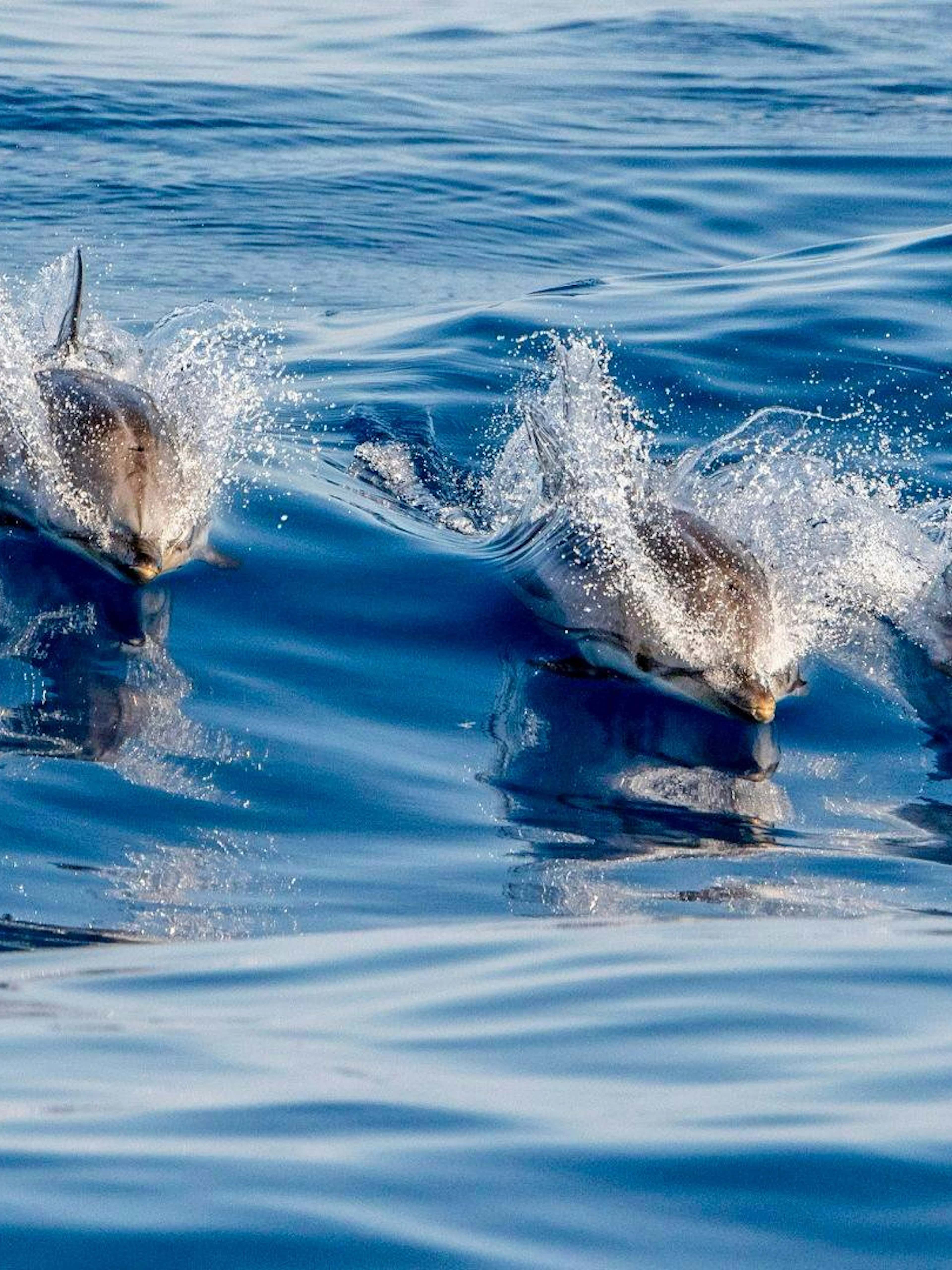
When whales or dolphins appear, stay low, avoid crowding one rail, and keep voices down so everyone, including those behind you, can hear the guide and enjoy the moment.
On RIB tours, plan for full-body spray; wear swimwear under clothes and pack a dry bag with a spare outfit, towel, and warm socks for after returning to land.
Frequently asked questions about Azores whale watching tours
Most standard Azores whale watching tours spend about 2.5–3.5 hours on the water. Add 30–45 minutes for check-in, gear, and the safety briefing. For planning, block roughly 3.5–4 hours total, especially if you’re booking something else later.
Yes, especially in spring and summer. Morning departures and small-group Zodiac tours often fill first, and weather-related cancellations can force rebooking. Booking early in your stay gives you more choice and a better chance of fitting in a second date if needed.
Spring, roughly March–May, is the best Azores whale season for blue and fin whales. Late spring to early autumn usually brings calmer seas and reliable trips for sperm whales and dolphins. Morning departures are generally preferred because sea conditions are often smoother.
No. Sightings are likely, but these are wild animals in open ocean. Read the guarantee wording carefully: many operators offer a free rebooking if nothing is seen, while refunds depend on the ticket or operator policy rather than on wildlife behavior.
Choose a Zodiac if you want a fast, low-to-the-water ride and can handle bumps, spray, and fewer amenities. Choose a catamaran or larger boat for more stability, toilets, shelter, and easier travel with children or anyone prone to seasickness.
On São Miguel, many whale watching tours leave from Ponta Delgada Marina or Vila Franca do Campo marina. Other common Azores departure points include Lajes do Pico, Madalena, and Horta. Always follow the exact meeting point shown on your ticket.
If sea conditions are unsafe, the operator may cancel or delay the tour, sometimes on the same day. Most companies then offer rebooking or a refund under their terms. Keep your phone and email handy and avoid leaving whale watching for your final island day.
Usually yes, but child policies vary by operator and boat type. RIB or Zodiac tours often have stricter minimum-age rules, while larger boats are generally easier for mixed-age groups. If you’re traveling with young children, check the ticket details before booking.
Usually not on RIB or Zodiac tours. Many operators mark these boats as unsuitable during pregnancy because of impact and sudden movement. Some larger boats may be possible in calm conditions, but only if the operator allows it and your doctor agrees.
It’s possible, even if you don’t usually get motion sick. Atlantic swell can be stronger than many travelers expect, especially on small boats. For lower seasickness risk, book a morning departure, choose a larger boat, and take any medication before boarding.
Wear warm layers, a windproof or waterproof outer layer, and closed shoes with good grip. Sea air feels colder than land, even in summer. Lifejackets are provided, and RIB tours often include waterproof suits, but you still need warm clothing underneath.
Usually on larger boats, not on Zodiacs. Catamarans and other larger vessels typically have toilets and some covered seating, while small RIBs generally do not. If this matters for your group, check the boat type before booking rather than assuming it’s included.
Accessibility varies a lot by operator. RIB tours are generally not wheelchair accessible because boarding is from floating pontoons and seating requires good mobility. Some larger boats can accommodate limited mobility needs, but you should contact the operator directly before booking.
Yes. Photography is usually allowed, and many travelers bring cameras or phones. Use a strap, lens cloth, and weather protection because salt spray and boat motion are common, especially on Zodiac tours. A simple zoom lens is often easier to manage than heavy equipment.
Not on standard whale watching tours. Boats must follow national wildlife-viewing rules, and entering the water with whales is not part of these trips. Some regulated dolphin-swim experiences exist as separate products, so don’t assume swimming is included in a whale watching booking.